Living in Andorra: Residency, Taxation and Lifestyle (2026)
Living in Andorra: Everything You Need to Know Before Moving
Every year, more people choose to live in Andorra, attracted by its quality of life, safety, natural surroundings and one of the most competitive tax systems in Europe. If you are considering relocating to the Principality, this guide covers the three key areas you need to understand: how to obtain residency, the tax advantages available and what everyday life in Andorra is really like.
Why Live in Andorra?
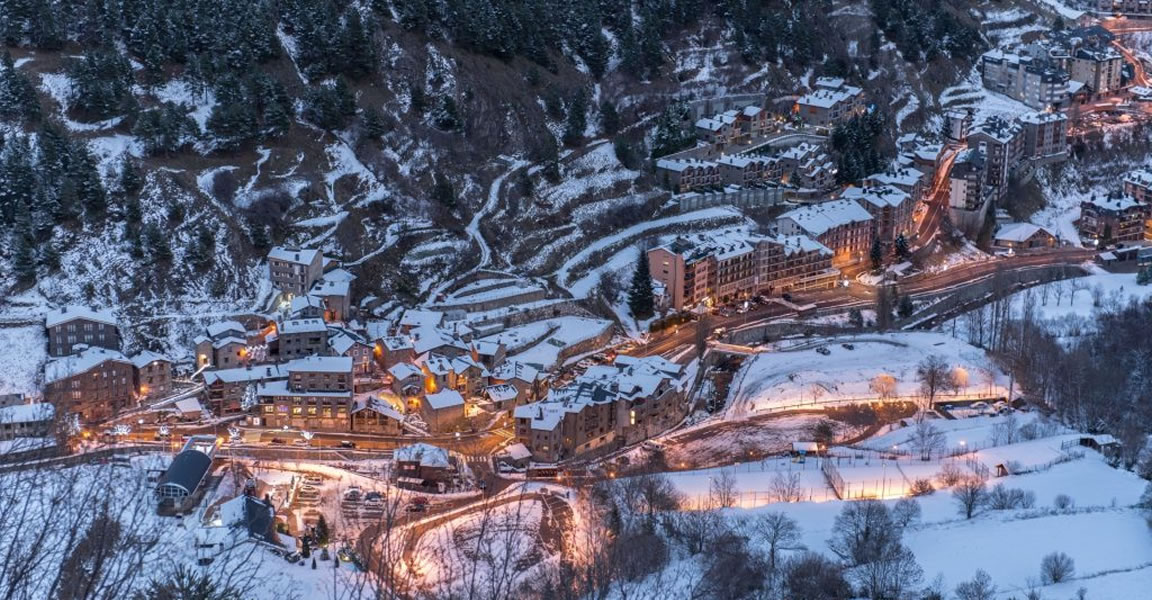
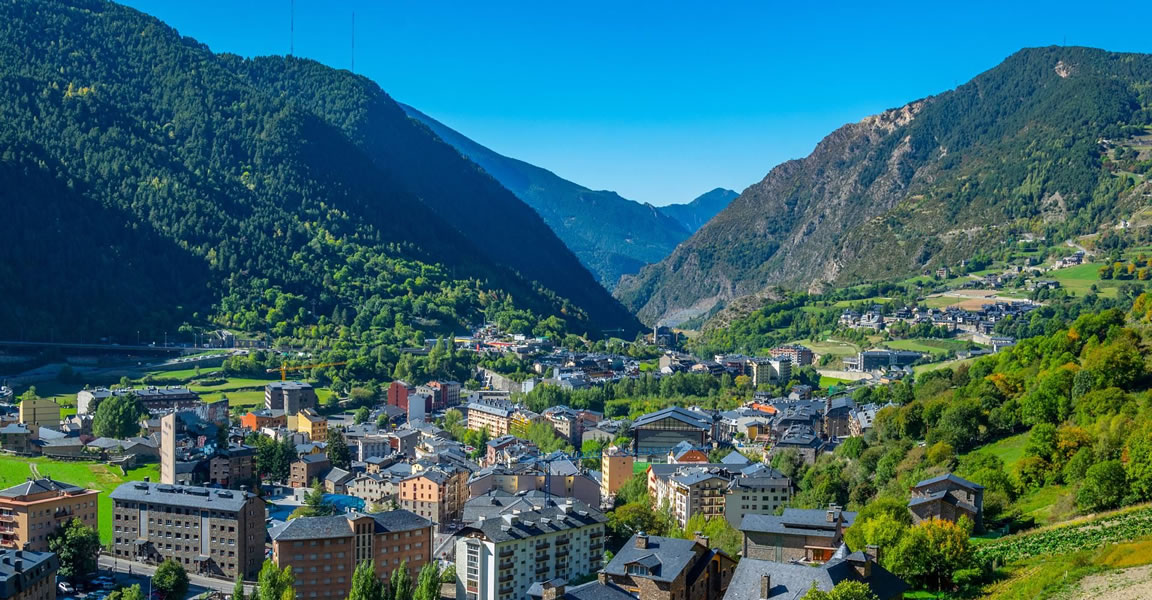
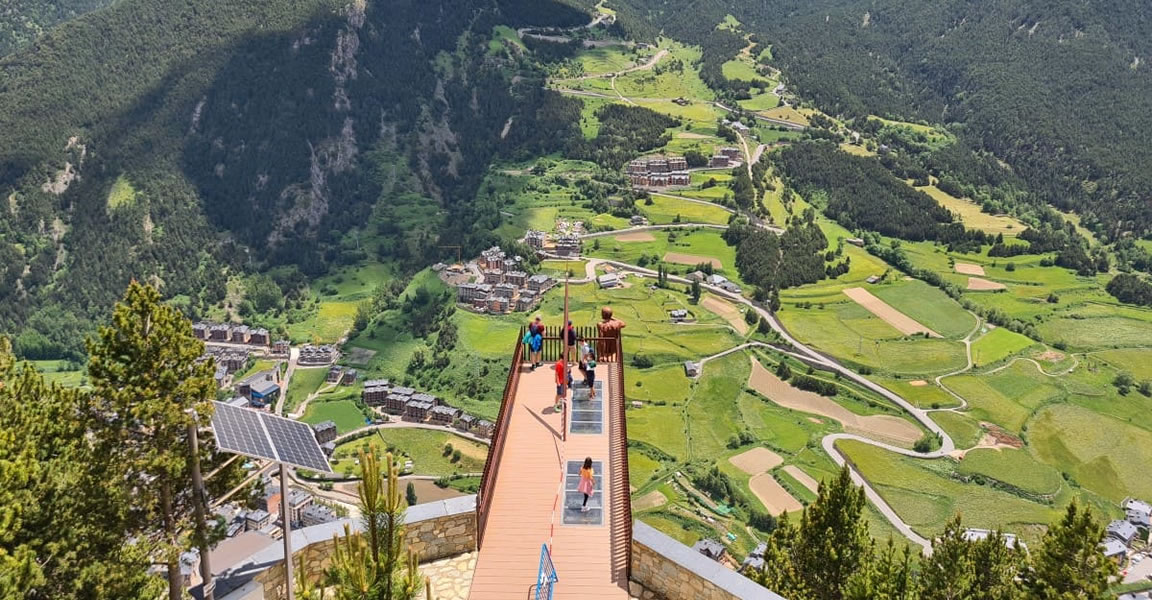
Andorra combines advantages that are rarely found together in a single country: a very low tax burden (personal income tax capped at 10%), one of the highest levels of safety in the world, four high-quality education systems, excellent healthcare, 100% fibre-optic coverage and more than 300 km of ski slopes less than 30 minutes from anywhere in the country. All of this is just two hours from Barcelona and three hours from Toulouse.
How to Obtain Residency in Andorra
There are several ways to reside legally in Andorra depending on your profile: employed residency, self-employed residency for entrepreneurs, passive residency for investors and individuals with independent income, and permits for internationally recognised professionals, athletes and scientific or cultural profiles. Each option has different requirements and minimum investment thresholds.
→ Read the detailed guide to residency types in Andorra.
Taxation: One of the Principality's Main Attractions
Becoming a tax resident in Andorra means benefiting from a maximum personal income tax rate of 10%, with no wealth tax and no inheritance tax between direct family members. For investors and high-net-worth families, Andorra offers one of the most attractive tax frameworks in Europe, while remaining fully compliant with international standards.→ Discover all the details on taxation in Andorra.
Lifestyle: Education, Healthcare and Leisure
International schools, a healthcare system ranked among the best in the world, skiing, hiking, wellness experiences at Caldea and a culinary scene ranging from traditional mountain restaurants to Michelin-starred dining. Living in Andorra means enjoying an exceptional quality of life for families, professionals and athletes alike.
→ Learn more about the Andorran lifestyle.
Where to Live: The 7 Parishes of Andorra
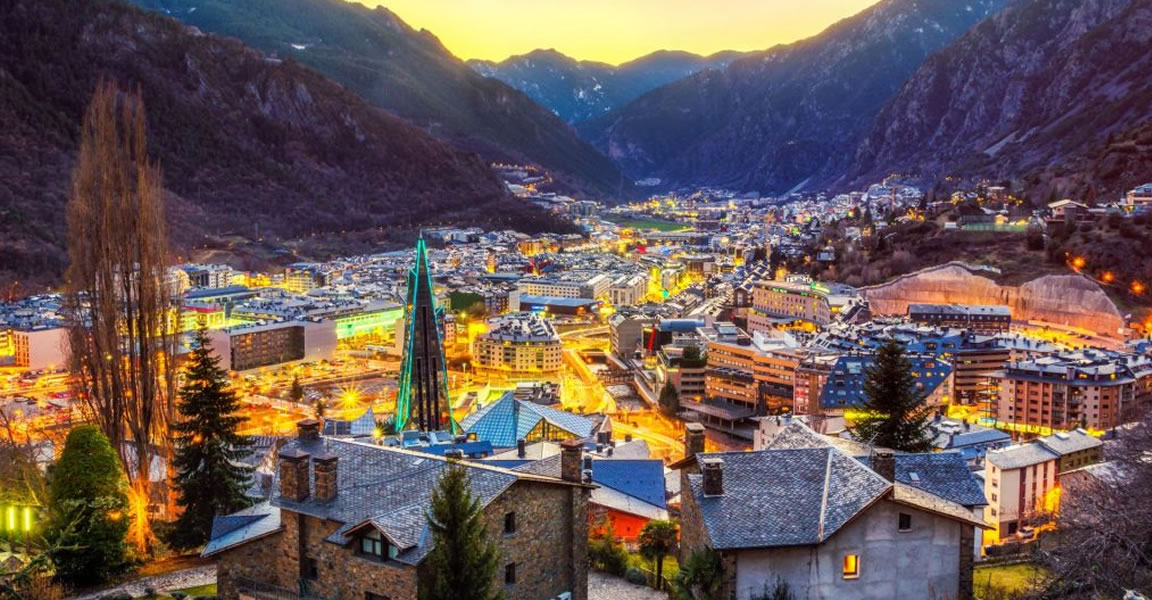
Each parish has its own personality: the urban energy of Andorra la Vella and Escaldes-Engordany, the sunshine and international community of La Massana, the peaceful exclusivity of Ordino, the ski resorts of Canillo and Encamp, or the mild microclimate of Sant Julià de Lòria.
We help you choose the area that best matches your lifestyle.
How Landscape Homes Can Help
We are a real estate agency in Andorra specialised in assisting individuals and families relocating to the country. Our services include property searches for purchase or rental, coordination with residency advisors and support throughout every step of the relocation process.
Contact us and tell us about your project.
FAQs
Is it easy to obtain residency in Andorra?
It depends on the type of residency. Employed residency requires an employment contract with an Andorran company, while passive residency requires a minimum investment in the country. With proper guidance, the process is generally straightforward and predictable.
How many days do you need to live in Andorra to become a tax resident?
As a general rule, tax residency is obtained by spending more than 183 days per year physically present in the country. Passive residency, on the other hand, requires a minimum stay of 90 days per year, although this alone does not grant tax residency.
Can you live in Andorra and work for foreign clients?
Yes. There is a residency category for internationally active professionals, designed for individuals who provide services from Andorra to clients located abroad, including digital nomads.Is it expensive to live in Andorra?
Housing is the most significant expense, especially in central and luxury areas. However, the low-tax environment, the absence of wealth tax and services such as high-quality healthcare largely offset the cost of living for most residents.